
Ventilation
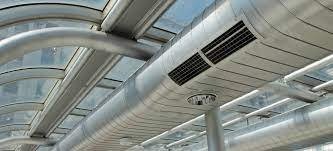
Ventilation Pollution Control
Ventilation refers to the intentional exchange of indoor air with outdoor air in a building or enclosed space. It plays a crucial role in maintaining indoor air quality, controlling temperature and humidity, and ensuring the well-being of occupants. Proper ventilation is essential for a variety of reasons, including health, comfort, and energy efficiency.
Ventilation is necessary to remove indoor air pollutants such as carbon dioxide (CO2), volatile organic compounds (VOCs), odors, and airborne particles.
More About Of Ventilation
Ventilation are closely related components of heating, ventilation, and air conditioning systems. Ventilation plays a critical role in maintaining indoor air quality and comfort in buildings.
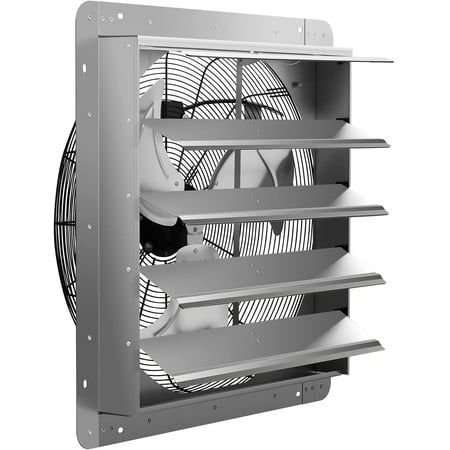
Inadequate ventilation can lead to poor indoor air quality, which may result in various health issues, including respiratory problems, allergies, and discomfort. Proper ventilation reduces the risk of these health concerns.
Ventilation can help control indoor temperature and humidity levels. By exchanging air with the outdoor environment, ventilation can reduce excess heat and moisture buildup, contributing to occupant comfort.
Effective ventilation helps prevent condensation, mold growth, and structural damage in buildings. It’s especially crucial in areas prone to high humidity or moisture, such as bathrooms and kitchens.
Types of Ventilation:-
1. Natural Ventilation
2. Mechanical Ventilation
3. Spot Ventilation

At Airfrost we are more than just a cooling solution; we are the embodiment of comfort and innovation.